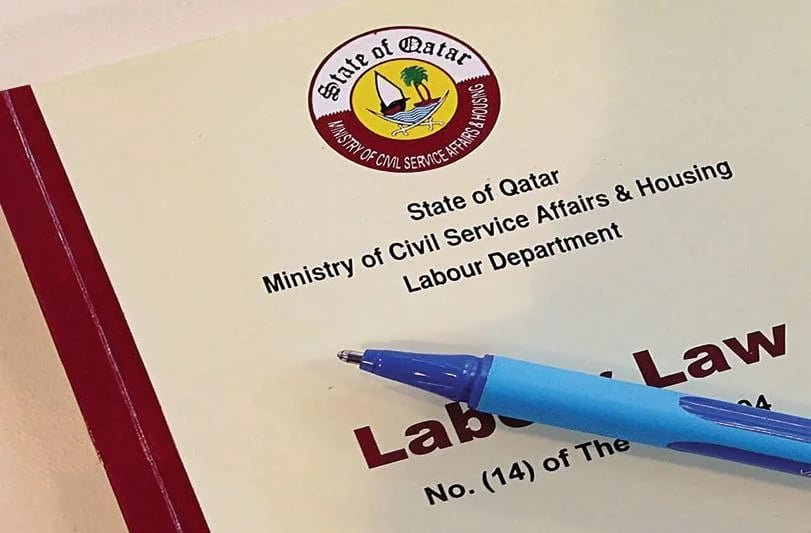
Qatar continues to grow as one of the strongest business and development hubs in the Middle East. With thousands of ongoing projects in construction, oil & gas, industrial sectors, MEP contracting, logistics, facility management, and government projects, the demand for manpower remains high.
However, hiring manpower also comes with strict legal responsibilities.
Whether you are a contractor, employer, or manpower supply agency, understanding Qatar Labour Law is essential to remain compliant, avoid fines, and protect both your business and your workers.
In this guide, MS Qatar Trading WLL breaks down the key labour law requirements every employer in Qatar must know — in simple, practical terms.
1. Importance of Understanding Qatar Labour Law
Businesses in Qatar operate under a well-structured legal framework designed to protect both employers and employees. The Qatar Labour Law covers:
- Employment contracts
- Working hours
- Salaries and benefits
- Health and safety
- Accommodation and transportation
- Worker rights and employer responsibilities
- Compliance requirements for manpower suppliers
Failure to follow these regulations can lead to penalties, blacklisting, project delays, and reputational damage.
2. Mandatory Employment Contracts
Every worker deployed in Qatar — whether skilled, semi-skilled, or unskilled — must have a valid written employment contract.
The contract must clearly state:
- Job role
- Salary and allowances
- Working hours
- Leave entitlement
- Duration of employment
- Employer obligations
A copy must be provided to the employee, and it must match the details on the employee’s Work Permit and QID.
3. Qatar ID (QID) Requirements
A valid Qatar ID is required for every worker deployed on-site.
Employers must ensure:
- QID is renewed before expiry
- Workers are not allowed to work with an expired QID
- The employer’s company name appears correctly on the ID
QID compliance is strictly inspected during government or site audits.
4. WPS – Wage Protection System Compliance
Qatar uses the WPS (Wage Protection System) to ensure all workers receive their salary on time.
Employers must:
- Transfer salaries through WPS
- Pay workers on the agreed date every month
- Maintain salary records
- Avoid cash payments unless legally approved
Non-compliance may result in:
- Company blocking
- Suspension of new worker recruitment
- High penalties
5. Working Hours & Overtime Rules
According to Qatar Labour Law:
- Standard work hours: 48 hours per week (8 hours/day)
- During Ramadan: 36 hours per week (6 hours/day)
- Overtime must be paid at minimum 25% extra, and 50% extra for night shifts
- Friday is the mandatory weekly rest day
All manpower companies must strictly track worker hours to ensure compliance.
6. Health Card & Medical Requirements
Every worker must have a valid Health Card issued by the government.
This ensures workers receive medical care when needed.
Employers must cover:
- Medical examination
- Health card renewal
- Emergency healthcare support
Working without a health card is considered a violation.
7. Accommodation & Transportation Standards
For manpower supply companies, providing proper accommodation and transportation is mandatory.
Accommodation must meet:
- Clean, safe, and hygienic living conditions
- Air-conditioned rooms
- Proper bathrooms and common areas
- Adequate space per person
Transportation provided should be:
- Safe
- Reliable
- Compliant with traffic safety standards
This is frequently checked by Labour Ministry inspectors.
8. Safety Training & Certifications
Workers must receive the required safety training before deployment. Depending on the job, they may need:
- NEBOSH / IOSH certifications
- H2S training for oil & gas
- Confined space training
- PPE usage training
- Fire & safety awareness
- IRATA certification for rope access
- First aid training
Companies must maintain proof of training in case of inspection.
9. Leave, End-of-Service Benefits & Gratuity
Qatar Labour Law ensures fair compensation and benefits:
- Annual Leave: Minimum 3 weeks (varies with years of service)
- Sick Leave: Paid sick leave based on conditions
- Public Holidays: Workers are entitled to paid holidays
- Gratuity: Minimum 21 days of basic wage per year of service
Employers must calculate these accurately based on the Labour Law.
10. Worker Rights & Employer Responsibilities
Employers are strictly responsible for:
- Providing safe working environments
- Respecting employee rights
- Ensuring timely payments
- Maintaining compliant documentation
- Preventing worker exploitation
- Ensuring workers are not assigned unsafe tasks
Any form of harassment or mistreatment can lead to severe fines or suspensions.
11. Penalties for Non-Compliance
Violating Qatar Labour Law can result in:
- Large financial penalties
- Suspension of business activities
- Project delays
- Company blacklisting
- Cancellation of permits
- Legal action
For manpower suppliers, non-compliance may also lead to contract cancellation from clients.
12. Why Compliance Benefits Your Business
Companies that follow Qatar Labour Law enjoy:
- Stronger reputation
- Better long-term relationships with clients
- Higher worker productivity
- Reduced legal risks
- Smoother inspections and audits
- Faster contract approvals
- Improved worker morale
Compliance is not just a requirement — it’s a business advantage.
Final Thoughts
Understanding and following Qatar Labour Law is essential for every employer, contractor, and manpower supplier operating in the country.
At MS Qatar Trading WLL, we ensure full compliance across all manpower services:
- Valid QIDs
- Health cards
- WPS salary system
- Safety certifications
- HSE training
- Proper accommodation & transportation
- Documented deployment procedures
Whether you need skilled, semi-skilled, or unskilled manpower, our team ensures your project stays compliant, safe, and efficient.